


Is AI Astrology Accurate Free AI Astrologer Guide 2026
07 Aug 2026 • 1 min read

SanatanAI
Author

 190
190 190
190
Quick answer
AI astrology does two different jobs, and they deserve different levels of trust. Calculating your chart — planetary longitudes, ayanamsa, lagna, house cusps, divisional charts, dasha periods — is deterministic astronomy. Software does it faster than a human and never makes an arithmetic slip. Interpreting that chart is judgement, drawn from classical rules that experienced astrologers apply differently. Anyone quoting you a precise accuracy percentage for the second job is selling, not measuring. Sanatan AI by PujaPurohit is free to start, three chats a day, no card.
Search for an AI astrologer today and every result promises the same thing: instant, personalised, uncannily accurate. Very few explain what the machine is actually doing. That matters, because the honest answer is more useful than the marketing — and it tells you exactly which parts of a reading to lean on and which to hold lightly.
The part that is pure mathematics
A kundli is not a mystical object at the point of creation. It is an astronomical snapshot. Given a date, a precise time and a place, the position of every planet is a solved problem — the same calculation that lets an observatory predict an eclipse decades ahead.
Here is what a chart engine actually does:
- Fix the moment. Your local birth time is converted to universal time, accounting for the time zone in force at that place on that date.
- Fix the place. Latitude and longitude are applied, because the ascendant depends entirely on where on Earth you were.
- Compute planetary longitudes from an astronomical ephemeris — the positions of the Sun, Moon, Mars, Mercury, Jupiter, Venus, Saturn and the lunar nodes Rahu and Ketu.
- Apply the ayanamsa to convert from the tropical to the sidereal zodiac that Vedic astrology uses. Different ayanamsa choices shift positions slightly, which is one reason two apps can disagree.
- Derive the lagna and the twelve houses from the moment and the coordinates.
- Generate the divisional charts — the Navamsa D9 for marriage, the Dashamsa D10 for career, and the rest of the vargas down to D60.
- Compute the dasha sequence — the Vimshottari mahadasha and antardasha periods, derived from the Moon's exact nakshatra position at birth.
Every one of those steps is arithmetic with a single correct answer. This is where computing genuinely wins. A pandit working by hand with an ephemeris and a calculator can reach the same result, but it takes time, and hand calculation is where mistakes creep in. A well-built engine produces it in under a second, identically, every time.
The one input that decides everything
The ascendant moves about one degree every four minutes, and changes sign roughly every two hours. A birth time wrong by ten minutes shifts your house cusps. Wrong by two hours and your lagna changes altogether, rearranging every house in the chart. No amount of computing power repairs a bad birth time. If yours is approximate, say so — and treat any house-based prediction as provisional rather than fixed.
The part that is judgement
Once the chart exists, interpretation begins, and the character of the work changes completely.
Classical Jyotish is a large rule system. The Brihat Parashara Hora Shastra, Phaladeepika and Jataka Parijata describe hundreds of yogas, dozens of dosha conditions, and rules for cancellation, strength and timing. Much of that is genuinely computable — a yoga is usually a defined planetary configuration, and software can detect it reliably.
What is not computable is the weighing. A chart routinely presents contradictory signals: one combination suggesting delay, another suggesting support, a dasha that strengthens one and mutes the other. An experienced astrologer resolves that tension using pattern sense built over thousands of charts, and knowledge of the person sitting in front of them. Two respected astrologers can read the same chart and emphasise different things — not because one is wrong, but because interpretation involves priorities.
A language model can apply the rules, cite the reasoning, and produce a coherent reading quickly and in your own language. What it cannot do is know that you are asking about marriage because a family decision is due next week, or judge when a difficult indication should be softened rather than stated flatly. That judgement is human, and it is worth paying for on decisions that matter.
Where AI clearly wins, and where it does not
Once you separate calculation from judgement, the split is clean. Everything in the first group has one correct answer. Everything in the second requires weighing.
| Task | Better |
|---|---|
| Chart calculation, D1 to D60 | AI |
| Dasha and transit timelines | AI |
| 36-point Guna Milan scoring | AI |
| Availability, cost and consistency | AI |
| Detecting yogas and doshas | Comparable |
| Weighing contradictory indications | Human astrologer |
| Reading the person, not just the chart | Human astrologer |
| Knowing when to say less | Human astrologer |
| Performing a ritual or remedy | Human astrologer |
The line falls at calculation versus judgement, not at technology. We have written the full side-by-side breakdown, including costs and follow-ups, in AI astrology vs human astrologer.
How to judge an AI astrology platform
The category is crowded and much of the marketing is interchangeable. Five questions separate the serious from the rest:
Does it show the chart?
If you cannot see planetary positions, houses and dasha periods, you are reading generated prose with nothing underneath it. Ask to see the working.
Does it cite reasoning?
A real reading names the house, the lord, the dasha. "Saturn in your seventh during Jupiter mahadasha" can be checked. "The stars favour you" cannot.
Does it ask for exact birth time?
A platform that shrugs at birth time is not doing house-based astrology, whatever it claims.
Does it quote an accuracy percentage?
Treat this as a warning sign. Prediction accuracy cannot be measured — there is no control group for a life. Precise-sounding figures are marketing.
What does it do with hard questions?
Ask about a health worry. A responsible platform points you to a doctor. One that predicts your recovery is one to leave.
What is the real price?
Per-minute meters change how you ask questions — you rush. Look for daily limits or flat plans instead of a running clock.
Sanatan AI: what it does, plainly
Sanatan AI is the astrology vertical built by PujaPurohit, the team behind our pandit booking and mandir darshan services. What it offers:
- Sidereal chart generation from date, exact time and place, with divisional charts from D1 through D60, in both North and South Indian chart styles.
- Dasha and transit analysis — mahadasha and antardasha periods with the timing windows they open.
- 36-point Guna Milan matching including Mangal Dosha, Nadi and Bhakoot checks and Navamsa comparison, with remedies and muhurat guidance.
- Multiple traditions — classical Vedic, Lal Kitab and Krishnamurti Paddhati, which read the same chart through different frameworks.
- Readings that cite their working — planetary positions and dasha periods named in the answer, with the chart rendered inline so you can check.
- Twelve or more Indian languages, typed or spoken, because remedies and ritual instructions lose their texture in translation.
- Free to start — three chats a day, no card required. Paid plans begin at ₹49 for fifteen chats a day, structured as daily limits rather than a per-minute meter.
Two things we will not tell you. We will not quote a prediction accuracy figure, because no one can honestly produce one. And we will not suggest that software should replace a pandit for a decision that matters — for a marriage, a major ritual, or a moment of real difficulty, our own platform will point you towards a verified pandit.
Start with your own chart
Generate your kundli, see the planetary positions and dasha periods, and ask one real question. Free to begin, no card required.
Try Sanatan AI freeQuestions worth asking, and questions to avoid
The quality of an astrology reading depends heavily on the question. Vague questions produce vague answers from humans and machines alike.
Works well: questions with a timeframe and a domain. "Which periods in the next three years support a job change?" "What does my seventh house and its lord suggest about marriage timing?" "Is there a Mangal Dosha in my chart, and is it cancelled?" These map onto chart factors and can be answered with reasoning you can check.
Works badly: "Will I be happy?" — no chart factor corresponds to that. "Should I marry this person?" — a chart informs the question but cannot decide it.
Do not ask at all: anything medical, legal or financial in substance. If you are unwell, see a doctor. If you are facing a legal matter, see a lawyer. If you are deciding where to place your savings, speak to a qualified adviser. Astrology sits alongside those decisions; it does not replace them, and any platform that pretends otherwise is one to walk away from.
Frequently asked questions
What is AI astrology?
AI astrology is the use of software to do two separate jobs. The first is astronomical calculation: working out where the planets stood at your moment of birth, and deriving the lagna, the twelve houses, the divisional charts and the dasha periods. That part is pure mathematics. The second is interpretation: turning those positions into a reading using the rules of classical texts. The first job is exact. The second involves judgement, which is where AI and human astrologers genuinely differ.
Is AI astrology accurate?
The calculation is accurate and verifiable. Planetary positions, ayanamsa, house cusps and dasha timelines are deterministic astronomy, and a well-built engine will match any professional Jyotish software to the second. The interpretation is a different matter. No astrologer, human or machine, can demonstrate a measurable accuracy rate for life predictions, because there is no way to test a prediction against a control. Treat any platform quoting a precise accuracy percentage with caution.
Can AI replace a human astrologer?
For calculation, AI is simply better: faster, cheaper and free of arithmetic slips. For interpretation, a good human astrologer still holds an advantage in weighing contradictory chart factors against the specifics of your life, and in knowing when not to say something. The sensible use of AI astrology is to handle the mathematics and the first layer of reading, and to consult a person for decisions that carry real weight.
How does an AI generate a kundli?
It converts your birth date, exact time and place into a precise moment in universal time, applies the geographic coordinates, and computes planetary longitudes from an astronomical ephemeris. It then applies an ayanamsa to shift from the tropical to the sidereal zodiac, calculates the ascendant and the house cusps, derives the divisional charts such as the Navamsa, and computes the Vimshottari dasha sequence from the Moon's nakshatra position.
Why does birth time matter so much for AI astrology?
Because the ascendant moves roughly one degree every four minutes, and it changes sign approximately every two hours. An error of a few minutes shifts house cusps; an error of an hour or two can change the lagna entirely and rearrange every house in the chart. Any reading that depends on houses, and most do, is only as reliable as the birth time behind it. If your time is uncertain, say so, and treat house-based predictions as provisional.
Is AI kundli matching as good as a pandit's?
The Ashtakoot Guna Milan score out of 36 is arithmetic, and software computes it reliably. Mangal Dosha, Nadi and Bhakoot checks follow defined rules and are also computable. What software does less well is the judgement around those numbers: when a low score is offset by other chart factors, when a dosha is cancelled, and how to advise two families. Use AI matching to get the numbers quickly, and a person for the decision.
Is AI astrology free?
It depends on the platform. Chart generation, kundli matching and panchang tools are commonly free because the calculation costs almost nothing to run. Conversational readings are usually where platforms charge. Sanatan AI by PujaPurohit is free to start with three chats a day and no card required, with paid plans beginning at ₹49 for fifteen chats a day. Compare that structure against per-minute pricing before you commit to any platform.
What questions should I not ask an AI astrologer?
Anything that is really a medical, legal or financial question. If you are unwell, see a doctor. If you are in a legal dispute, see a lawyer. If you are deciding where to put your savings, speak to a qualified adviser. A responsible astrology platform will point you towards a professional rather than answer, and one that offers a confident prediction on your illness or your investments is telling you something about itself.
Which languages does Sanatan AI support?
Sanatan AI supports twelve or more Indian languages including Hindi, English, Marathi, Tamil and Telugu, with both typed and voice input. This matters more than it sounds, because remedies and ritual instructions carry cultural nuance that tends to flatten badly when forced through English translation.
What is the difference between Vedic, Lal Kitab and KP astrology?
They are different systems built on the same planetary data. Classical Vedic or Parashari astrology works through houses, divisional charts and the Vimshottari dasha. Lal Kitab is a later north Indian tradition known for its distinctive and practical remedies. Krishnamurti Paddhati, or KP, uses sub-lords and a stellar system for finer timing. A chart can legitimately be read through all three, and they will not always agree.
Related reading
- Kashi Vishwanath Sugam Darshan 2026: price, booking and timings
- Pind Daan in Gaya: Vishnupad Temple and Tripindi Shraddh guide
Free to start, no card. Try Sanatan AI

Karwa Chauth 2024
Karwa Chauth 2024, Karwa Chauth Muhurat, Karwa Chauth Rituals, Fasting, Moonrise Time
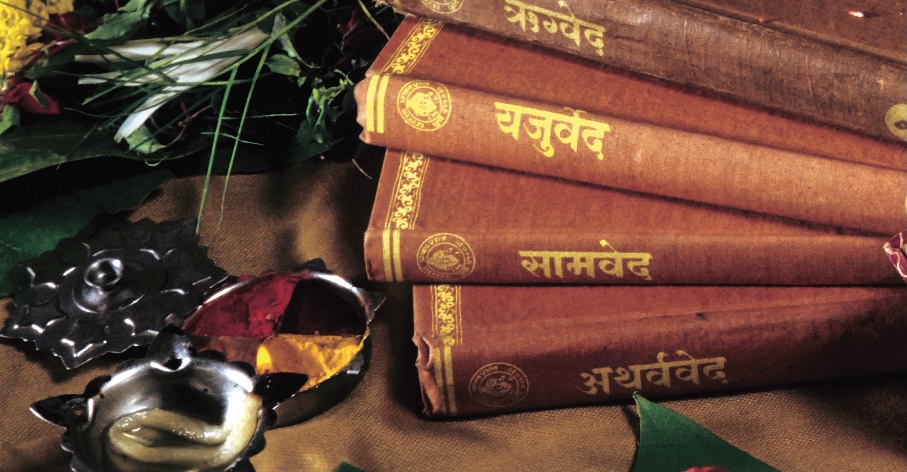
Essence of Hindu scriptures, know what is in which scripture
Rig Veda is the earliest of the four Vedas. It is a large collection of hymns in praise of the gods, which are chanted in various rituals.
Dhanteras 2025 Date and Muhurat: Rituals, Significance, and Puja Booking Guide with pujaPurohit
Discover the Dhanteras 2025 date, puja muhurat, rituals, and significance. Learn what to buy for good luck and how to book a verified pandit for an authentic Dhanteras puja at home with pujaPurohit.

आधी रात की मधुर धुन: जन्माष्टमी की दिव्य खुशी को अपनाते हुए
भगवान कृष्ण के जन्म का उत्सव, जन्माष्टमी के दिव्य आनंद में डूब जाएँ। इस ब्लॉग में हम इस पवित्र त्योहार के महत्व, अनुष्ठानों और शाश्वत संदेशों की खोज करते हैं, जो हमें धर्म, प्रेम और आनंद का मार्ग दिखाते हैं।

How to Book a Pandit for Puja A Step by Step Guide
Know how to book a pandit for your puja in simple steps with our interactive guide on Puja Purohit.
Your spiritual need,
just a tap away.
Your spiritual need,
just a tap away.